
Small business owners should aim to update their books at least once a week to maintain accurate cash flow oversight, though daily updates are preferred for high-volume operations. While the IRS does not mandate a specific daily or weekly schedule, recordkeeping requirements in 2026 emphasize maintaining a system that clearly shows income and expenses to support tax returns. Waiting until the end of the month puts your business at risk of missed deductions and significant cash flow crunches.
Why is Weekly Bookkeeping the Gold Standard for Small Business?
Updating your books weekly ensures that you catch errors while transactions are still fresh in your mind and allows for proactive cash flow management. According to a 2026 cash flow analysis, poor financial management is the primary cause of failure in 82% of small businesses within their first five years. By reconciling bank statements and categorizing expenses every seven days, you transform bookkeeping from a "tax chore" into a strategic tool for growth.
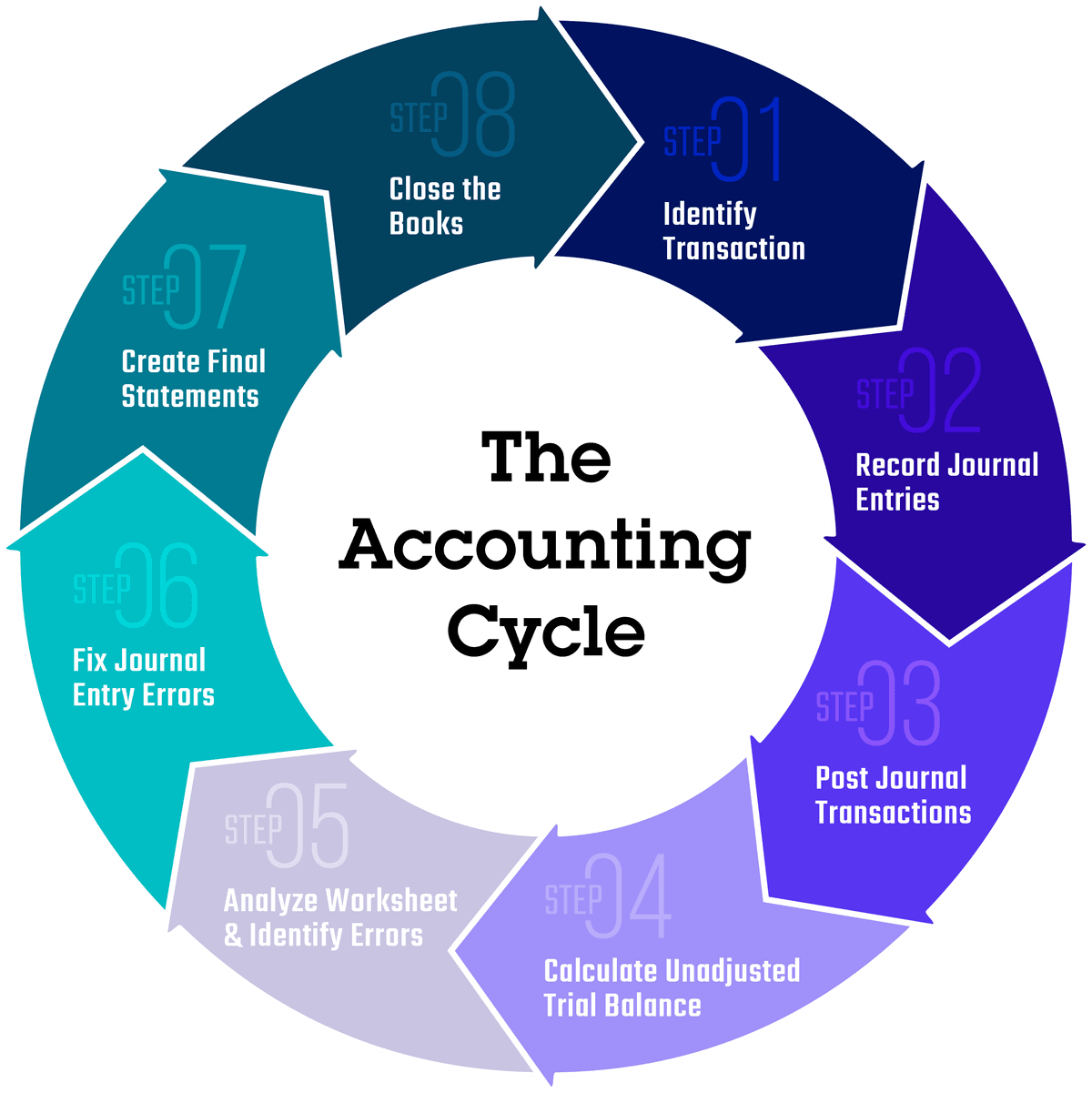
Weekly updates provide a "middle ground" that balances administrative work with operational needs. For most owners, a monthly schedule leads to a "data pile-up" where receipts are lost and the nuances of specific vendor payments are forgotten. Moving to a weekly rhythm allows you to review aging accounts receivable and send reminders to clients before their payments become overdue, which is a top practice for improving cash flow in 2026.
How Does Update Frequency Impact Your Business Strategy?
The frequency of your bookkeeping directly dictates the speed at which you can make informed decisions, especially regarding hiring or inventory purchasing. If you only look at your profit and loss (P&L) statement once a quarter, you are effectively driving your business while only looking in the rearview mirror.
Modern small business accounting best practices in 2026 prioritize cloud-based platforms that automate data entry, making daily or weekly check-ins faster than ever. For businesses with high transaction volumes—such as e-commerce or retail—daily updates are often necessary to prevent inventory discrepancies and ensure payroll funds are always available.
Feature | Daily Updates | Weekly Updates | Monthly Updates |
|---|---|---|---|
Cash Flow Visibility | Real-time tracking of every dollar entering or leaving the bank. | Clear view of upcoming obligations and pending receipts. | Delayed view; often misses mid-month cash crunches. |
Error Detection | Immediate identification of bank errors or duplicate charges. | High chance of catching mistakes before they compound. | Low; errors are often buried under weeks of data. |
Operational Impact | Supports rapid pivots and daily budget adjustments. | Ideal for standard growth planning and payroll prep. | Best for historical reporting only; poor for strategy. |
What are the Legal and Tax Consequences of Delayed Bookkeeping?
Failing to keep books updated regularly can lead to "tax season panic" and may jeopardize your ability to defend a tax audit. The IRS guidelines for 2026 state that businesses must keep records for at least three to six years to substantiate income and deductions. If your books are not updated, you may lose the "burden of proof" required during an inquiry because manual, after-the-fact reconstruction of records is prone to scrutiny.
Beyond federal tax compliance, new accounting standards in 2026 regarding lease accounting (ASC 842) and revenue recognition require more granular data tracking than in previous years. Businesses that wait until year-end to address these requirements often find themselves paying significantly higher fees to CPAs to "clean up" a year's worth of messy data. Regular updates throughout the year ensure that your year-end close is a simple confirmation rather than a forensic reconstruction.
How to Build a Sustainable Bookkeeping Routine?
To transition to a more frequent schedule, start by setting a recurring "Money Hour" on your calendar every Friday morning to review the week's activity. During this time, you should match bank transactions to your receipts, review any open invoices, and check your bank balance against your upcoming expenses. Using AI-driven accounting tools can automate the boring parts of this process, such as categorizing repeat expenses, so you can focus on the insights.
Remember that bookkeeping is an investment in your business's longevity. Whether you manage the books yourself or hire a professional, the goal is to have a living document that tells the story of your business in real time. Accurate, up-to-date books are the difference between a business owner who is guessing and one who is leading with confidence.
Is it More Cost-Effective to Outsource or DIY Your Weekly Books?
The decision to handle bookkeeping personally or hire a professional often hinges on the "opportunity cost" of the business owner's time. For a typical small business with 20–50 transactions per month, DIY bookkeeping using cloud software takes approximately 2–4 hours per week when done consistently. However, if that owner’s billable rate or value to the company is $100 per hour, they are effectively spending $800–$1,600 per month on bookkeeping labor.
In contrast, professional bookkeeping services in 2026 typically range from $300 to $600 per month for basic maintenance and weekly reconciliations. Outsourcing not only often costs less than the owner’s internal labor value, but it significantly reduces the risk of "rework" fees. CPAs frequently charge premium hourly rates during tax season to fix errors made by DIY owners over the previous twelve months, a cost that can easily exceed $2,000 for a single year-end cleanup.
Beyond just the hourly savings, specialized bookkeepers provide a level of data integrity that most software cannot automate. They handle complex issues such as deferred revenue, multi-state sales tax compliance, and loan amortization—tasks that, if missed, can trigger IRS flags or lead to misleading financial reports. For most growth-oriented companies, moving from DIY to a professional service is less about saving time and more about gaining the data confidence required to scale.
The Hidden Impact of Real-Time Data on Loan Eligibility
When a business applies for a line of credit or an SBA loan, the lender’s first request is almost always for a "trailing twelve-month" (TTM) profit and loss statement and a current balance sheet dated within the last 30 days. Business owners who only update their books monthly or quarterly often find themselves in a scramble when a sudden opportunity arises, such as a major equipment purchase or an urgent need for working capital.
Updating your books weekly ensures that you are "audit-ready" and "loan-ready" at any given moment. In the competitive lending landscape of 2026, banks are increasingly using automated underwriting systems that pull data directly from cloud accounting APIs. If your data is three months behind, these systems may automatically reject your application or offer less favorable interest rates due to a perceived lack of financial control. Consistent recordkeeping demonstrates to creditors that the business is managed with discipline, reducing the "perceived risk" and often resulting in higher credit limits.
Moving Beyond Compliance: Bookkeeping as a Management Tool
While tax compliance is the legal minimum, the highest-performing small businesses treat their weekly books as a management dashboard. This involves going beyond simple expense categorization and using "classes" or "projects" to track the profitability of specific products or services. If you wait until the end of the year to see which of your service lines was actually profitable, you may have spent twelve months investing in a losing venture.
Weekly updates allow you to spot trends—like a sudden spike in shipping costs or a decrease in a specific client's order frequency—as they happen. This "early warning system" gives you the time to adjust pricing, negotiate with vendors, or pivot your marketing strategy before a minor trend becomes a major financial crisis. By the time the end of the month rolls around, your financial review should be a strategic discussion about where to invest next, rather than a frantic hunt for receipts.
Frequently Asked Questions
Can I just use my bank statements instead of bookkeeping software?
While bank statements show cash flow, they do not provide the legal documentation required by the IRS to support specific business deductions. Bookkeeping software categorizes these transactions into a format that creates professional financial statements like Balance Sheets and Profit & Loss reports, which are necessary for securing loans or filing accurate tax returns.
Is monthly bookkeeping enough for a very small business?
Monthly bookkeeping may be sufficient for service-based micro-businesses with fewer than 10 transactions per month. However, even for these businesses, a weekly "pulse check" is recommended to ensure no client invoices have been missed and to maintain a habit of financial mindfulness that scales as the business grows.
What is the biggest risk of waiting until tax season to update my books?
The biggest risk is the permanent loss of tax deductions. Without a real-time system, you are likely to lose small receipts or forget to track out-of-pocket expenses that could have lowered your taxable income. Additionally, the cost of professional "catch-up" bookkeeping is typically much higher than the ongoing cost of regular maintenance.


Discussion